Not because something is broken. Not because your crew is doing anything wrong.
But because your system was designed for the worst-case scenario… and left to run there.
Every. Single. Day.
We see this firsthand during ship checks. Systems running at full capacity, regardless of actual demand. Pumps at 100%. Valves throttling flow. Energy is being burned just to control itself.
It’s the equivalent of driving with your foot on the gas and the brake at the same time.
And in many marine systems, that inefficiency can account for 3–9% of total fuel consumption annually, over the life of the vessel.
The problem isn’t demand. It’s imbalance.
When systems aren’t properly balanced, pumps compensate for pressure fluctuations and uneven flow distribution by increasing output.
That extra effort:
Over time, this becomes a silent cost driver showing up in fuel burn, electricity usage, and maintenance budgets.
And the worst part…
It’s often accepted as “normal operation.”
It shouldn’t be.
Balanced flow delivers exactly the required flow to each part of the system. No more, no less.
When flow is controlled:
Instead of reacting to system instability, the system maintains consistent flow automatically.
No chasing pressure swings. No manual balancing. Just stable, controlled performance.
Here’s what most systems don’t account for:
Actual operating demand is often only 25–50% of design capacity.
But pumps don’t know that. They run at full output anyway.
And because of pump affinity laws, reducing flow doesn’t just reduce energy linearly — it multiplies the savings.
In many cases:
50% flow can result in up to ~87% reduction in pump energy
That’s not incremental improvement. That’s a massive opportunity.
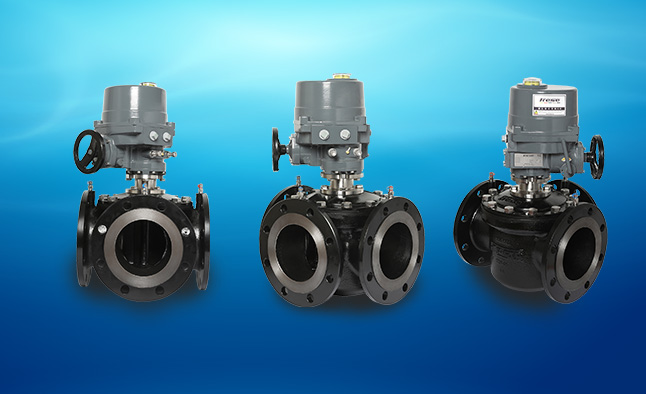
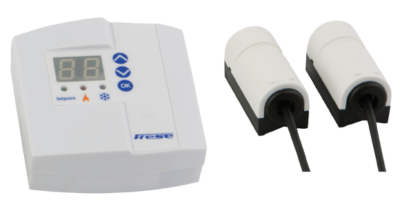
Frese FUELSAVE transforms how your system operates. It acts as the brain of the system.
Instead of running at fixed output, it continuously adjusts flow based on real demand across the system:
This is achieved through pressure independent control and dynamic valve technology that ensures design flow conditions are maintained at all times — without overflow or imbalance.
The result:
This isn’t a fuel system upgrade. It’s a smarter way to run the system you already have.
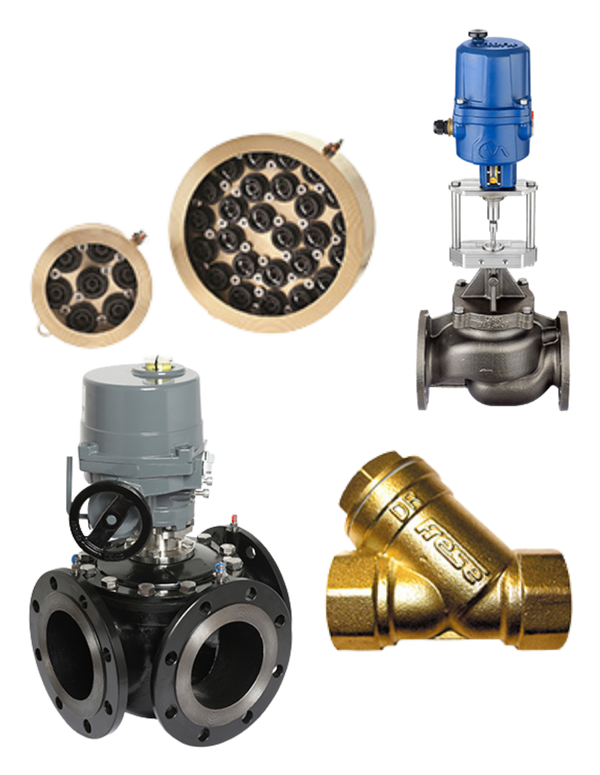
Frese FUELSAVE integrates:
These components:
In fact, systems using dynamic valve technology can:
When flow is right, everything improves.
This isn’t theoretical.
In one marine application, a ROPAX ferry reduced fuel consumption by 3% by optimizing cooling systems — not changing fuel or propulsion. The result: 197 metric tons of fuel savings annually.
We’ve seen similar opportunities across vessels during ship checks:
The opportunity is almost always there.
If you’re thinking about:
You need to address this first.
Because every kilowatt of wasted auxiliary load:
If you don’t fix the imbalance, you’re just building new technology on top of inefficiency.
At World Wide Metric, we don’t just supply components — we diagnose systems.
Through onboard ship checks and system evaluations, we identify:
With a complimentary Frese FUELSAVE analysis, we provide:
No guesswork. Just real numbers before you invest.
If your system hasn’t been analyzed, there’s a high probability you are over pumping right now.
And it’s costing you every day.
The question isn’t if the inefficiency exists. The question is how much it’s costing you.