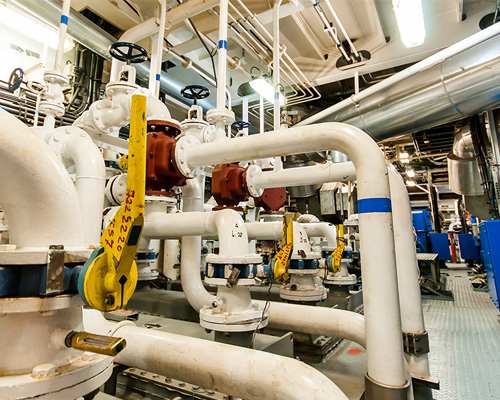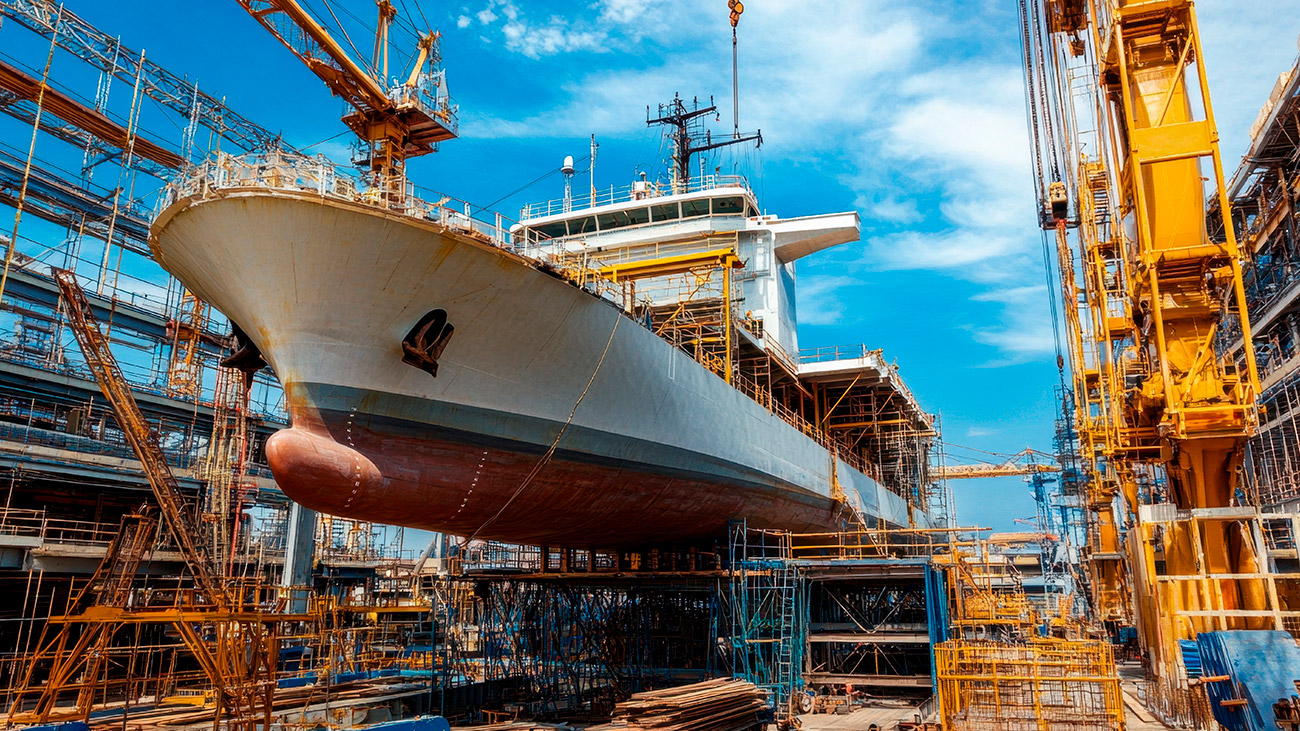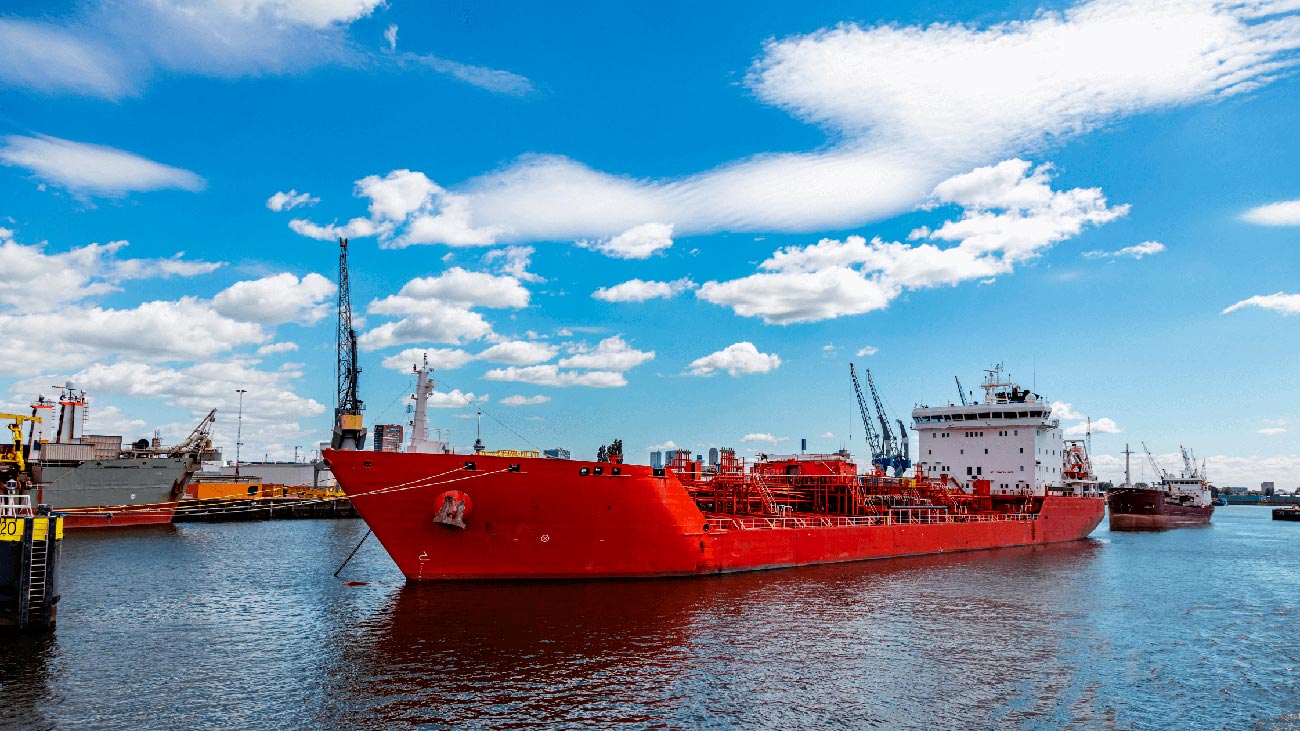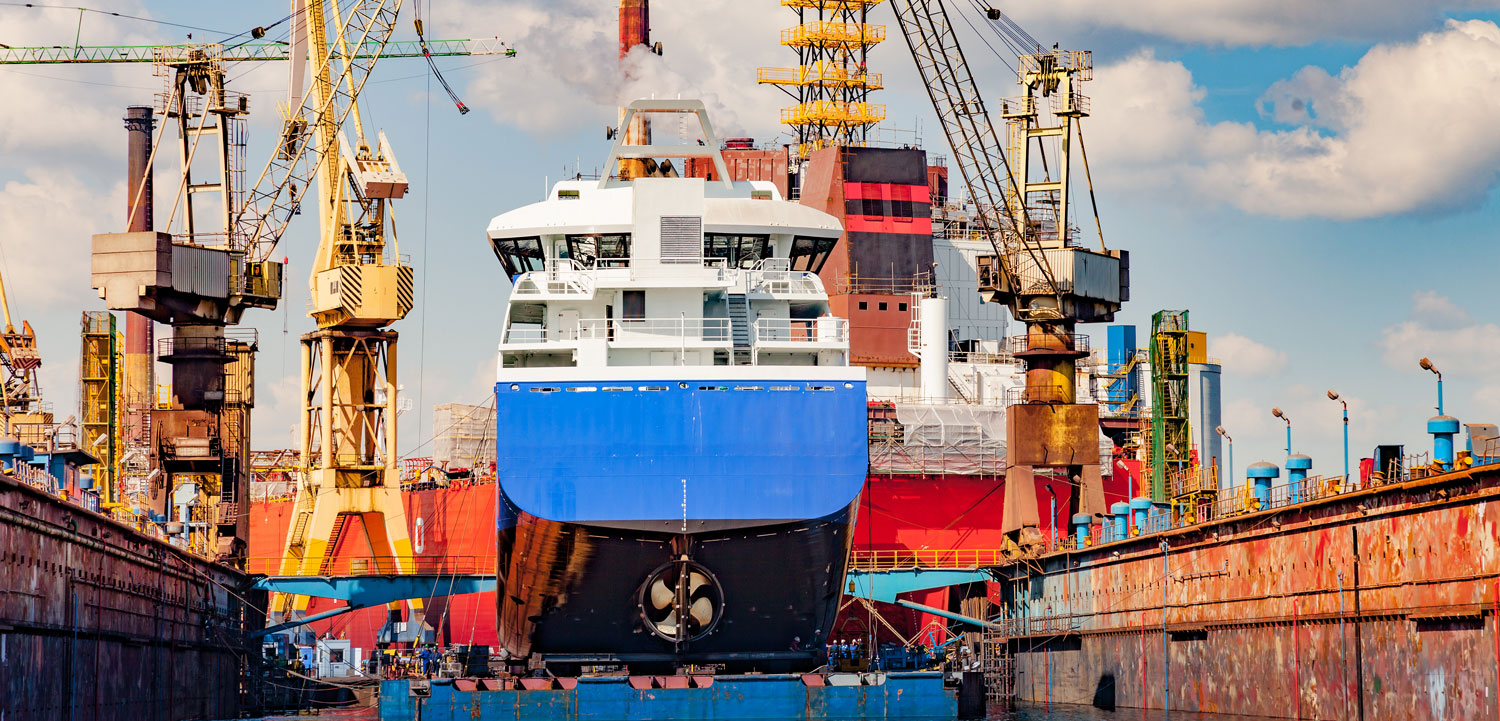
A butterfly valve takes up only a few inches of pipe, yet a failed one can take a cooling circuit out of service. The usual discovery comes during routine work: you close the sea chest valve to clean a strainer, and water keeps coming. Or the heat exchanger isolation leaks past, the actuator stalls halfway, or the handle needs a cheater bar to move.
From there the question is practical. You need a valve that fits the existing flanges, suits the service, mates with the actuator already mounted, and reaches the vessel before it sails again. Getting any one of those wrong means a second order and a second port.
The quickest route to a correct replacement begins with what is already in the line. The nameplate, the part number cast or stamped on the body, or a photo of the valve and its actuator usually identifies the series, size, liner and disc material. If the nameplate is gone, flange drilling, face-to-face length and body style narrow the field fast.
 Nameplate
 Cast or stamped part number
 Photo of valve and actuator
 Flange drilling
 Face-to-face length
 Body style
Then check whether the duty has changed since the valve went in. A valve chosen for seawater cooling may be wrong if the line now carries different media, runs hotter, or cycles far more often than it used to. Isolation, throttling, end-of-line duty and remote operation each place different demands on the valve.
 IsolationThrottlingEnd-of-line dutyRemote operation
A valve that fails to isolate a cooling line or regulate flow as intended can affect far more than the piping around it. Wouter Witzel brings decades of valve expertise to that responsibility, with butterfly valve solutions built for demanding marine applications. From seawater cooling and ballast systems to other critical shipboard operations, its valves help crews manage flow, maintain reliable isolation, and keep essential systems operating as intended.
What sets Wouter Witzel apart is its focus on matching valve performance to the application. Different systems call for different approaches to sealing, material compatibility, and operation. Wouter Witzel’s range allows engineers to select configurations around those requirements rather than simply choosing a valve that fits the pipe.
Another distinguishing feature is Wouter Witzel’s low operating torque design. Its bonded rubber linings work alongside specially profiled disc edges and low-friction shaft bearings to reduce the force required to operate the valve. This design promotes smoother operation and helps minimize wear. It can also accommodate smaller, more economical actuators while maintaining reliable sealing performance.
 Bonded rubber linings
 Specially profiled disc edges
 Low-friction shaft bearings
As the technology behind World Wide Metric’s CONTROL pillar, Wouter Witzel represents the importance of dependable flow management across critical marine systems. Paired with World Wide Metric’s knowledge of marine piping standards and component compatibility, these solutions help shipbuilders and operators make informed valve selections that account for both immediate replacement needs and long-term operating demands.
Wouter Witzel also backs its butterfly valves with a standard five-year warranty, providing added assurance for shipbuilders and operators investing in dependable flow control. Combined with its emphasis on durable materials and long-term performance, this warranty reinforces the manufacturer’s commitment to valve reliability.
In a rubber-lined butterfly valve, the liner is the seal, and it is often the first part to give out. Wouter Witzel uses vulcanized linings, and the series World Wide Metric supplies include EPDM and NBR liners with discs in materials such as aluminum bronze and duplex stainless steel. Standard EPDM liners have a temperature range of −20°C to 110°C (−4°F to 230°F), while standard NBR liners are rated from 0°C to 90°C (32°F to 194°F). Operating pressure limits vary by valve series and configuration.
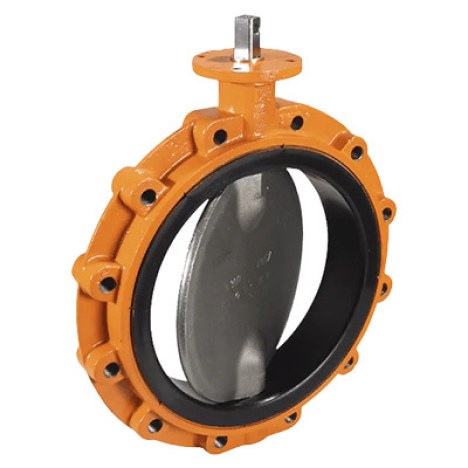
EPDM generally suits water and seawater, while NBR is the usual choice where oil or fuel is present. Fitting whichever liner happened to be on the shelf is a common path to a repeat failure. Disc and stem materials deserve the same attention in seawater, where a poor alloy pairing can corrode quickly.
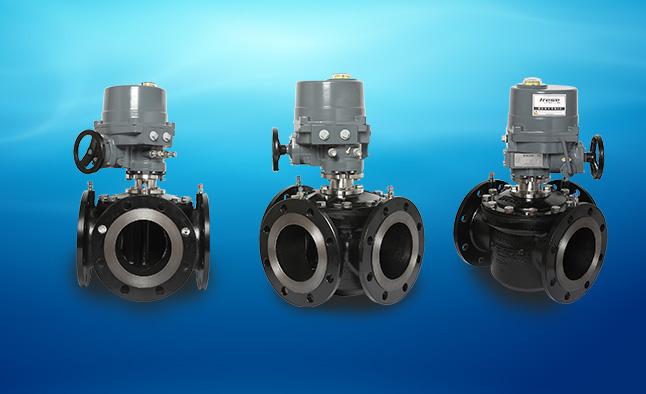
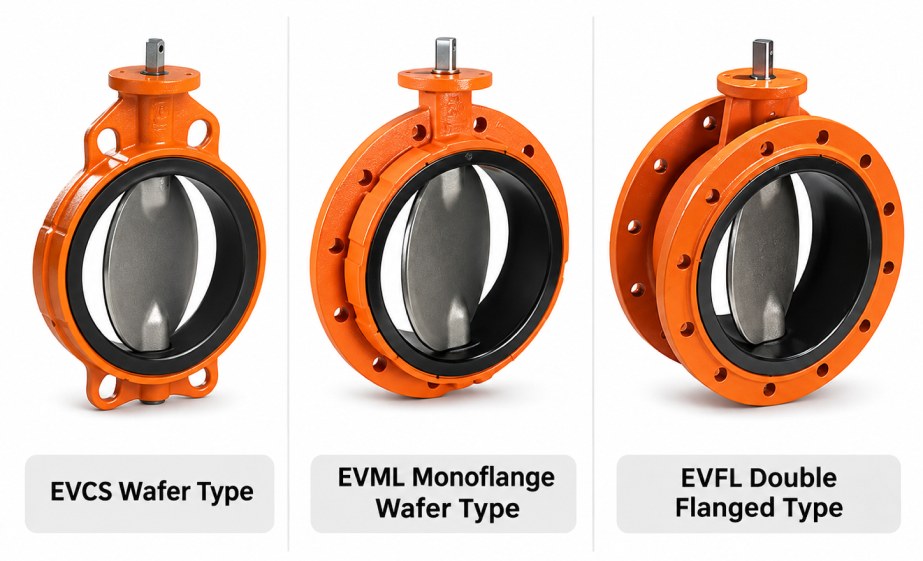
Wouter Witzel builds lug, mono-flange, double-flanged and wafer-style bodies for maritime service. A replacement has to match the existing body style and face-to-face dimension, or the pipework will not close back up without modification. Flange drilling matters just as much on a vessel built to one standard and repaired in a port that stocks another.
World Wide Metric carries Wouter Witzel valves to DIN, JIS and ANSI requirements, which helps on vessels where Japanese-built machinery sits beside European pipework. End-of-line duty needs its own check. Some body styles are built to hold pressure with the downstream pipe removed, and others should never be used that way.
Many shipboard butterfly valves are worked remotely by pneumatic, electric or hydraulic actuators, and Wouter Witzel supplies all three.
 Pneumatic
 Electric
 Hydraulic
When only the valve is replaced, its top flange and stem have to fit the actuator already in place. Wouter Witzel valves feature ISO 5211 mounting interfaces, with flange and stem dimensions varying by valve series and size. When the actuator is replaced too, check operating torque, fail position, stroke time, position feedback and the manual override.
A replacement valve should be evaluated as part of the complete operating assembly, particularly when existing actuators, controls, or mounting hardware will remain in place. Confirming compatibility before ordering helps avoid additional modifications during installation and ensures the selected configuration matches the vessel’s operating requirements.
A worn butterfly valve rarely announces itself at the valve. Crews first notice poor cooling, unstable pressure, a pump drawing more current, or a section that will not hold isolation, and those symptoms send people toward pumps, coolers and instruments first.

A valve that still opens and closes can still be the cause. Checking liner condition and seat leakage early can save a watch spent chasing the wrong component.

World Wide Metric can supply Wouter Witzel type-approval documentation for specific products. Check that the approval covers your particular application before the valve goes in.
Selecting the right replacement valve requires careful consideration of dimensions, materials, actuation requirements, and applicable standards to ensure compatibility with the existing system and a proper fit during installation. World Wide Metric cross-references old part numbers to current ones, holds stock across common sizes and liner options, and ships to the vessel’s next port.
 Old part numbers cross-referenced
 Stock across common sizes and liners
 Ships to the vessel’s next port
 All of it in one order
A valve job often uncovers other work, such as a CuNi spool that needs replacing, a corroded vent head on the same tank, or a pitted flange face that needs rebuilding. All of it can go in one order.
A butterfly valve’s reliability depends on selecting the right materials and configuration for the conditions it will encounter throughout its service life.
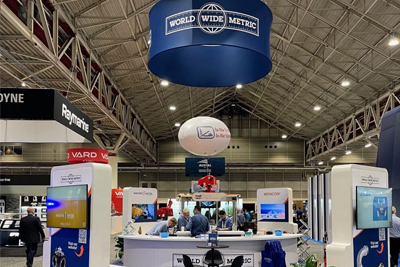
Bring a nameplate photo to IWBS booth #1401, and the World Wide Metric marine team will look up the replacement while you are there. It’s a chance to discuss the details that influence valve selection and ensure the replacement is suited to your vessel’s operating requirements.
Talk to a Metric Advisor