A tank vent has two jobs: let air move freely and keep seawater out.
Simple to describe. Critical to get right.
A restricted vent can slow tank discharge, interfere with filling, or put unnecessary strain on the system. A closing mechanism that fails to seal can allow seawater into the tank.
And when that tank holds fuel or ballast water, a small component can quickly become a big operational headache.
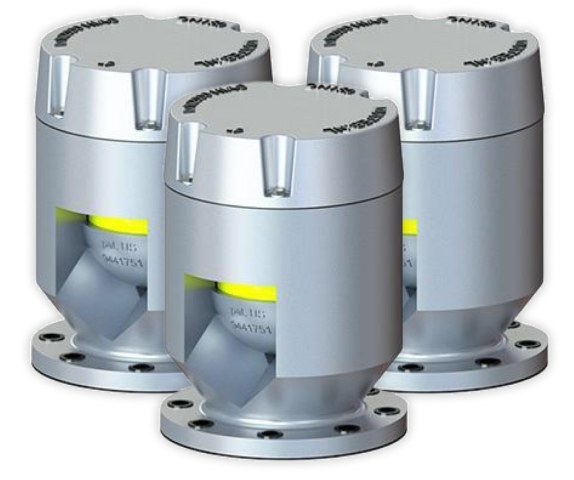
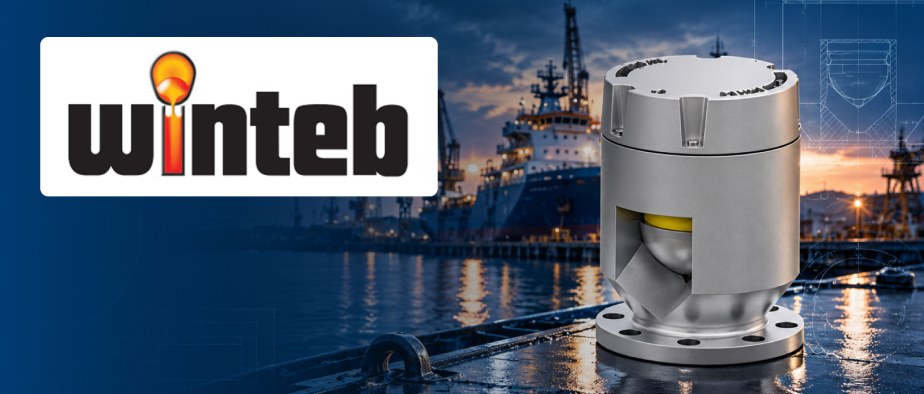
Winteb’s marine air pipe heads combine seawater-resistant aluminum construction, compact design, and high airflow performance to help vessels keep their tanks breathing and their contents protected.
When a tank empties, air needs to enter to replace the liquid being removed. When it fills, displaced air or vapor needs a clear path out.
If that airflow becomes restricted, pressure inside the tank can change in ways the system wasn’t designed to handle.
And restrictions aren’t always obvious.
Corrosion, debris, paint buildup, damaged floats, or changes to the vent piping can all interfere with performance.
A vent head may look fine from the outside while the system behind it struggles to breathe.
That’s why selecting the right air pipe head means looking beyond the connection size and understanding the tank’s actual operating requirements.
Nobody needs another component added to the maintenance list.
Traditional vent heads can be heavy and susceptible to deterioration in harsh marine environments, creating additional handling and maintenance demands over time.
Winteb takes a different approach.
Its seawater-resistant aluminum construction offers a lightweight, corrosion-resistant alternative designed for demanding marine service.

Corrosion-resistant materials help reduce ongoing maintenance demands.

Lightweight construction makes installation and replacement more manageable.

Durable materials help owners look beyond the initial purchase price to the cost of maintaining equipment over its service life.
Routine inspections still matter, but choosing equipment designed for the environment is a smart place to start.
Because the best maintenance task is often the one you don’t have to perform as frequently.
Deck space is valuable. Airflow is essential.
Winteb’s WIN2000 HIAS air pipe heads are designed to deliver high airflow performance in a compact footprint.
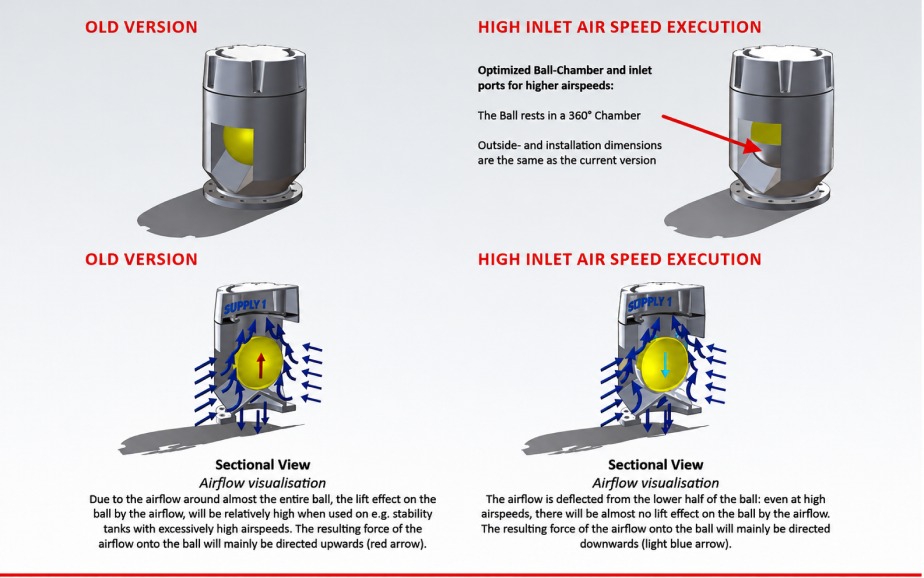
One of their key advantages is addressing a problem called suction blocking.
During tank discharge, incoming airflow can pull the closing float toward its seat, restricting ventilation when the tank needs it most.
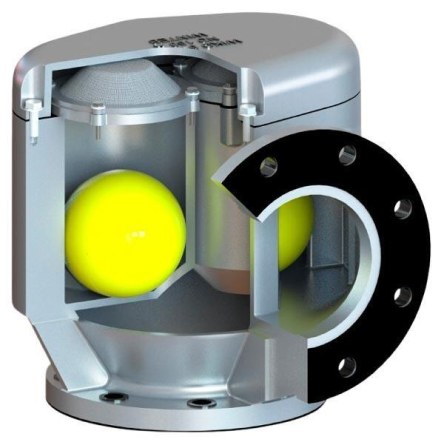
Winteb’s patented HIAS ball-chamber design helps reduce this effect, supporting reliable airflow during tank operations.
Depending on the configuration, the WIN2000 HIAS range offers:
Sizes from DN50 to DN500
Maximum inlet air speeds from 15 to 59 m/s
Published airflow capacities from 19 to 2,150 m³/h at a 0.25-bar differential for specified configurations without screens
Performance varies by model, size, and configuration. Final selection must account for the complete venting arrangement and applicable requirements.
The result? A compact solution designed to help tanks breathe efficiently without compromising protection.
Here’s something that can easily get overlooked.
When a pump is upgraded to move liquid faster, the tank’s ventilation requirements may change too.
The existing vent head might still look perfectly functional. But can it handle the increased airflow demand?
A larger pump doesn’t automatically mean the original venting arrangement is still adequate.
Before assuming everything is compatible, consider:
 Has the maximum filling or discharge rate changed?Can the existing vent head accommodate the required airflow?Are the vent piping and screens appropriate for the new operating conditions?
A matching flange doesn’t always mean a matching performance level.
World Wide Metric can help review your existing Winteb model, pump capacity, and connection requirements to identify suitable replacement options.
An air pipe head needs to perform two very different jobs.


During normal operation, it must allow the tank to breathe.
When exposed to seawater, it must close to help prevent water from entering.
That makes the closing mechanism just as important as airflow capacity.
Winteb’s purpose-built designs bring these requirements together, with solutions developed for demanding shipboard conditions.
The WIN2000 range carries approvals from major classification societies, including ABS, BV, DNV, Lloyd’s Register, RINA, and NK, subject to the selected model and installation requirements.
Whether you’re protecting ballast tanks, fuel tanks, or other shipboard systems, the right solution starts with understanding what the air pipe head needs to do.
A vent head doesn’t need to fail completely before it deserves attention.
During your next inspection, ask:
Look for corrosion, cracks, impact damage, or paint buildup that could interfere with airflow.
Check that the float or closure moves freely and seats correctly, following the manufacturer’s inspection guidance.
Inspect for obstructions, drainage issues, or modifications that may affect ventilation.
Compare current pump capacities and transfer procedures against the venting arrangement’s original requirements.
Confirm the relevant class, load line, and service requirements.
Sometimes replacing a damaged vent head is the right answer. Other times, the bigger opportunity is identifying what caused the problem in the first place.
Replacing an air pipe head shouldn’t become a guessing game.
Connection sizes, flange standards, airflow requirements, and classification approvals all matter.
World Wide Metric supports Winteb installations in both imperial and metric sizes, with connection options, spare products, and technical guidance to help identify the right configuration.
The range also includes heated, closable, and pressure-vacuum options for applications that require them.
Need help identifying a replacement?
Send us a photograph, model number, connection details, and tank service information. Our team can help evaluate your requirements, identify appropriate configurations, and coordinate sourcing and delivery to your vessel’s next port.
 Imperial and metric sizes
 DIN, JIS, and ANSI connections
 Delivery to your vessel’s next port
With support for DIN, JIS, and ANSI connection requirements, we help simplify the process from selection through fulfillment.
Because finding a vent head is one thing.
Finding the right one, backed by people who understand your application, is what makes the difference.
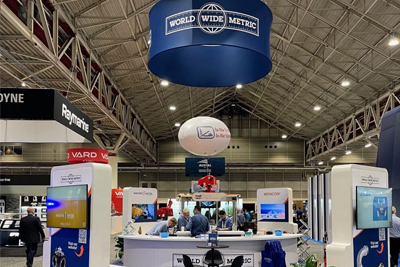
Want to see Winteb up close?
Pick up the air pipe head. See the construction. Ask our team about airflow, maintenance, and selecting the right configuration for your vessel.
Bring a photograph, model number, or vent schedule, and let’s talk about keeping your tanks protected.
Your tanks have enough to handle. Make sure they can breathe.