Most hydraulic failures aren’t surprises.
They were scheduled months earlier - during specification.
The equipment is on site. The crew is ready. Production is already behind.
Then a small leak appears.
Not catastrophic.
Not dramatic.
Just enough to shut everything down.
Production stops. Labor waits. Phones start ringing.
And the question becomes:
What failed?
The better question is:
What decision made this failure inevitable
In our field reviews across construction, industrial equipment, and heavy-duty applications, most hydraulic failures don't originate in operation.

They originate in planning.
The component didn't suddenly fail.
The failure was built into the system through decisions that looked reasonable at the time:
Once the system is assembled and running, those decisions are locked in.
From that moment forward, failure isn't a possibility.
It's a timeline.
When schedules are tight and budgets are under pressure, "close enough" becomes tempting.
On paper, the system works.
In the field, the real costs appear:
Most teams learn this the hard way:
The cost of failure is almost always higher than the cost of prevention.
Hydraulic systems rarely fail because of a single dramatic event. They fail because conditions were created that make failure unavoidable.
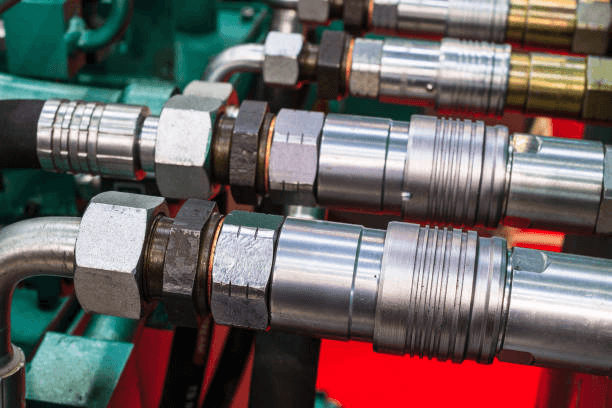
Mixed standards and connections
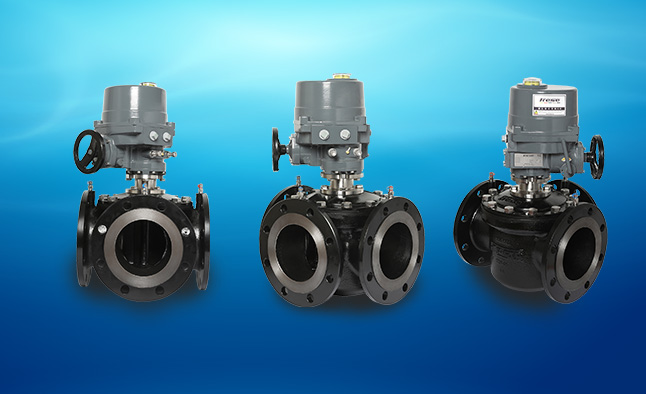
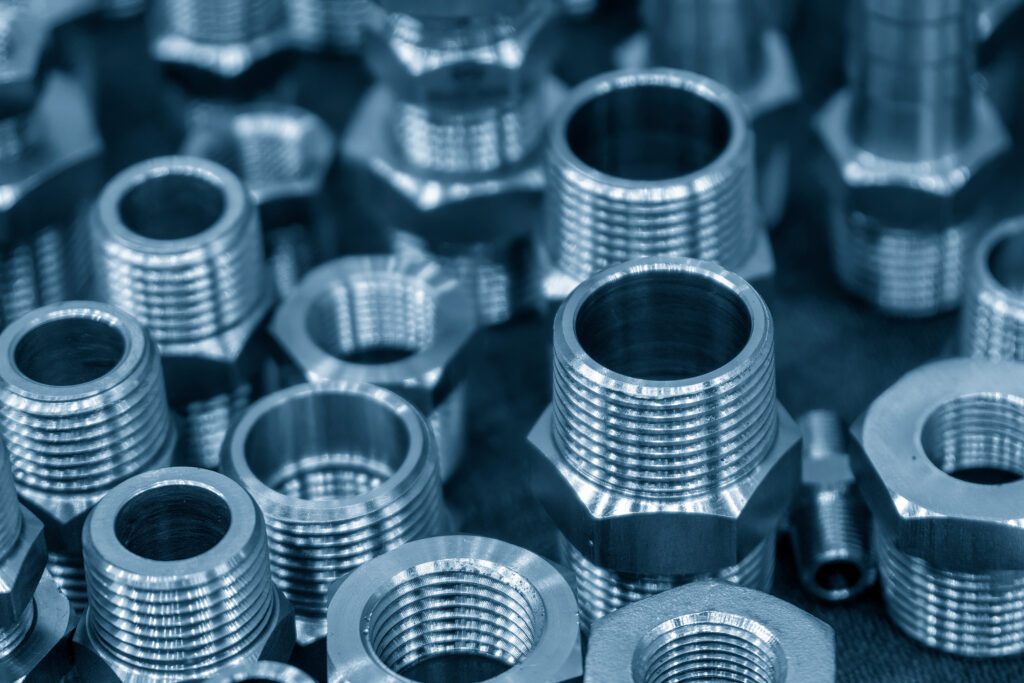
Metric forced into imperial. DIN mixed with ANSI. Thread forms that look similar but were never designed to work together under load.
Contamination introduced early
Microscopic debris and moisture begin damaging seals and surfaces long before a leak is visible.
Pressure, vibration, and thermal stress
Components that meet static ratings fail under real-world dynamic conditions.
System design shortcuts
Oversized components, undersized components, mixed materials, or layouts that create unnecessary heat and stress.
None of these cause immediate failure.
They create the environment where failure becomes inevitable.
Experienced engineering and maintenance teams understand a critical truth:
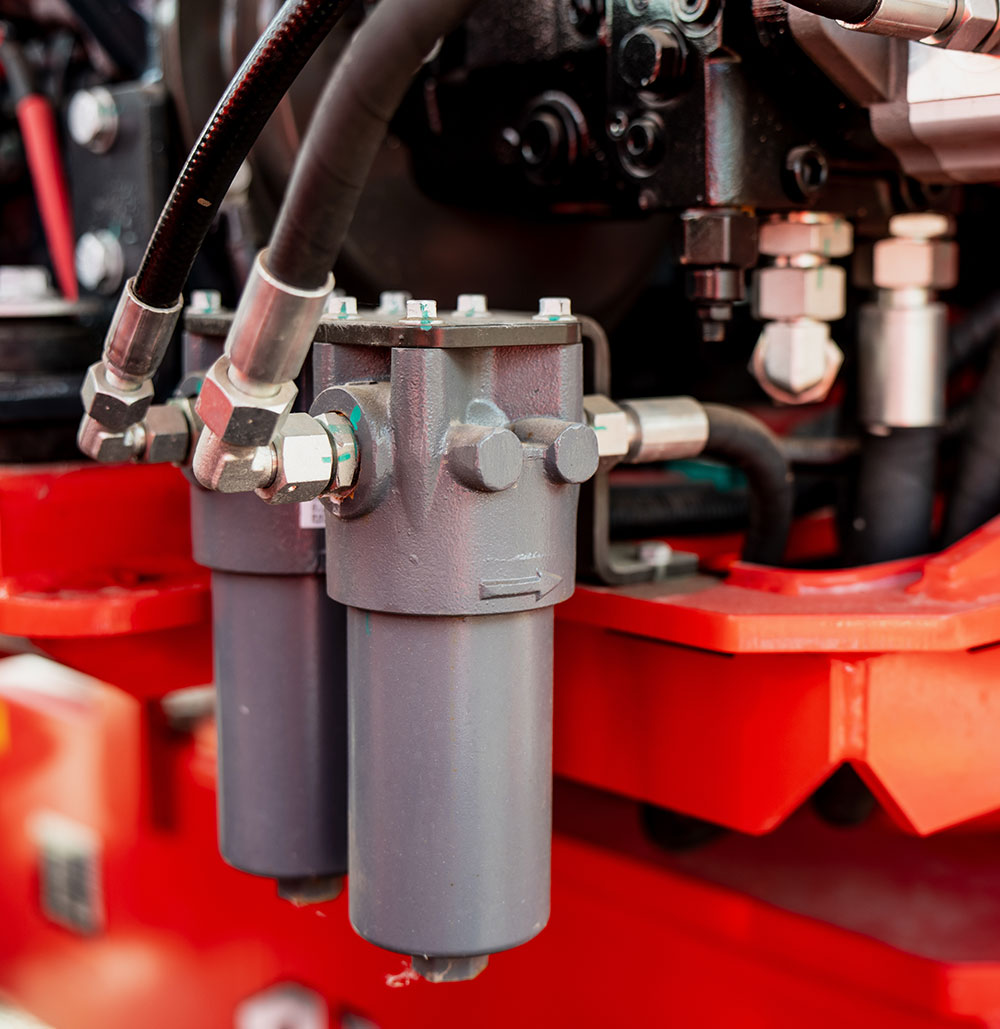
Hydraulic reliability is determined during specification - not during operation.
It starts with:
Because once equipment is running, failures are no longer controlled.
They're disruptive.
Across hundreds of system reviews, one pattern shows up repeatedly:
Mixed standards create hidden risk.
Metric and imperial combinations.
DIN and ANSI mixed within the same assembly.
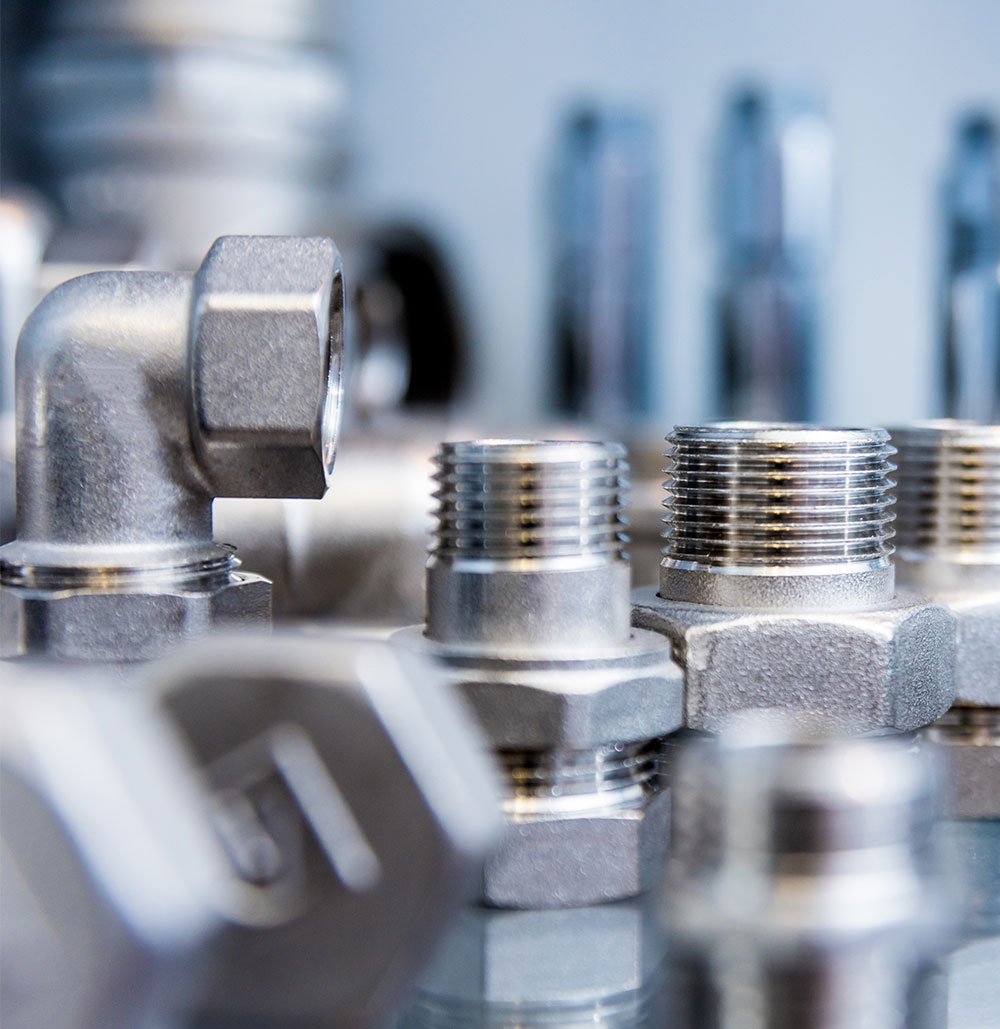
Thread forms that seal initially - but loosen under vibration or thermal cycling.
These systems don't fail immediately.
They fail later.
And when they do, the root cause traces back to a compatibility decision made months earlier.
When systems are specified correctly from the start:
Your team spends less time reacting - and more time keeping operations running.
That shift affects productivity, margins, and reputation.
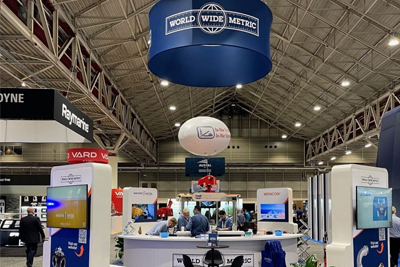
At World Wide Metric, our focus is simple: Identify risk before installation.
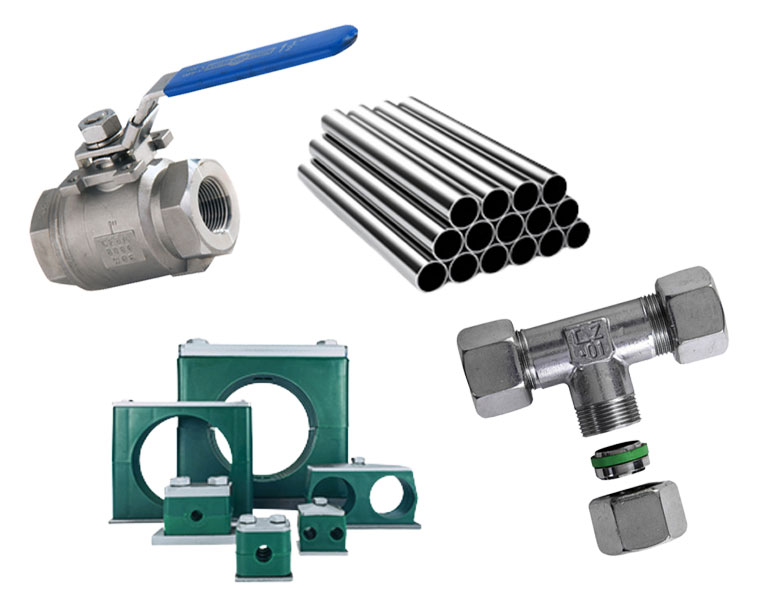
We help engineering and procurement teams review:
Not just what the catalog says, but what the application actually demands - because the cheapest failure is the one that never gets installed.
If you're responsible for specification, you're carrying decisions that affect:
Before your next project, send us your bill of materials, drawings, or connection standards.
We'll identify compatibility risks, mixed-standard exposure, and specification gaps - often in a quick review.
Because reliability isn't something you fix after installation.
It's something you decide long before the first cycle.
Our Metric Advisors identify risk, confirm compatibility, and help prevent downtime before installation begins.
Connect with us.png?v=3921298842)