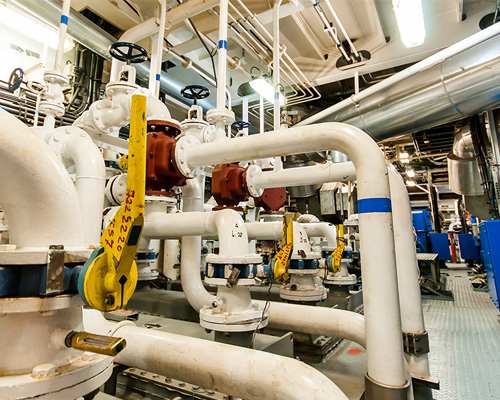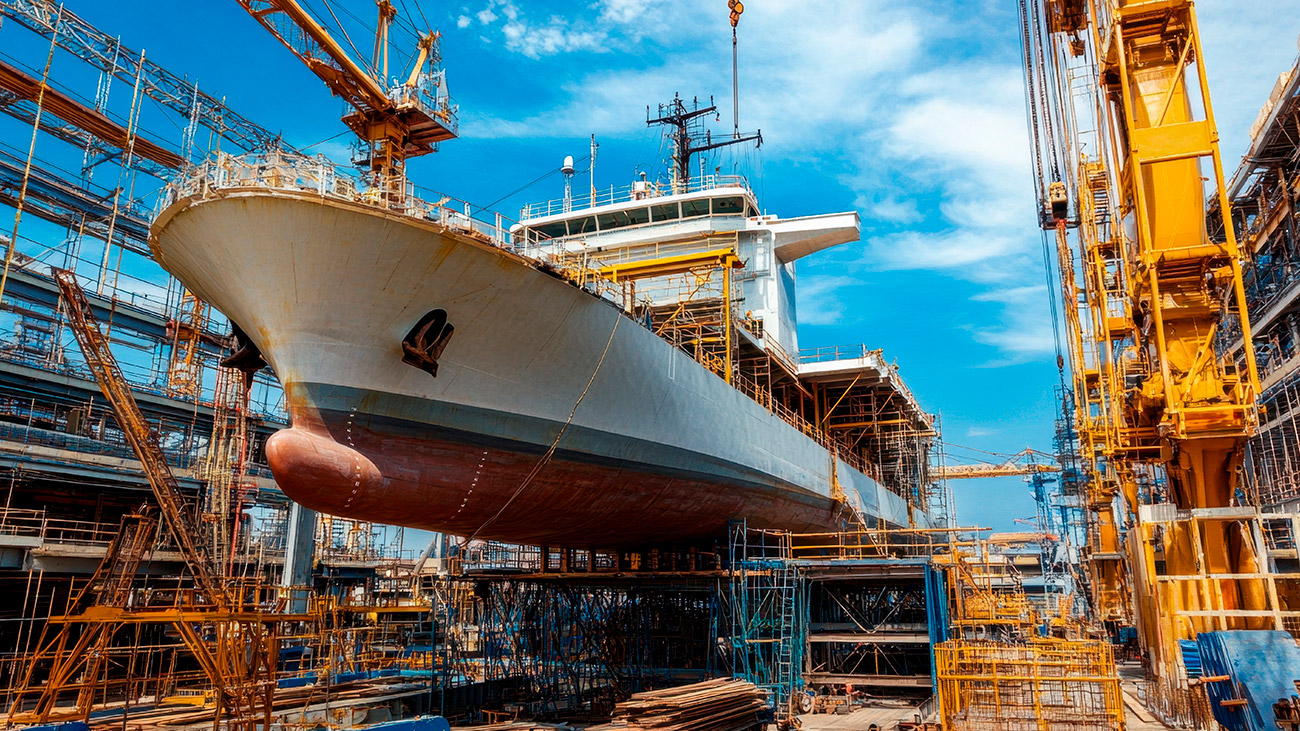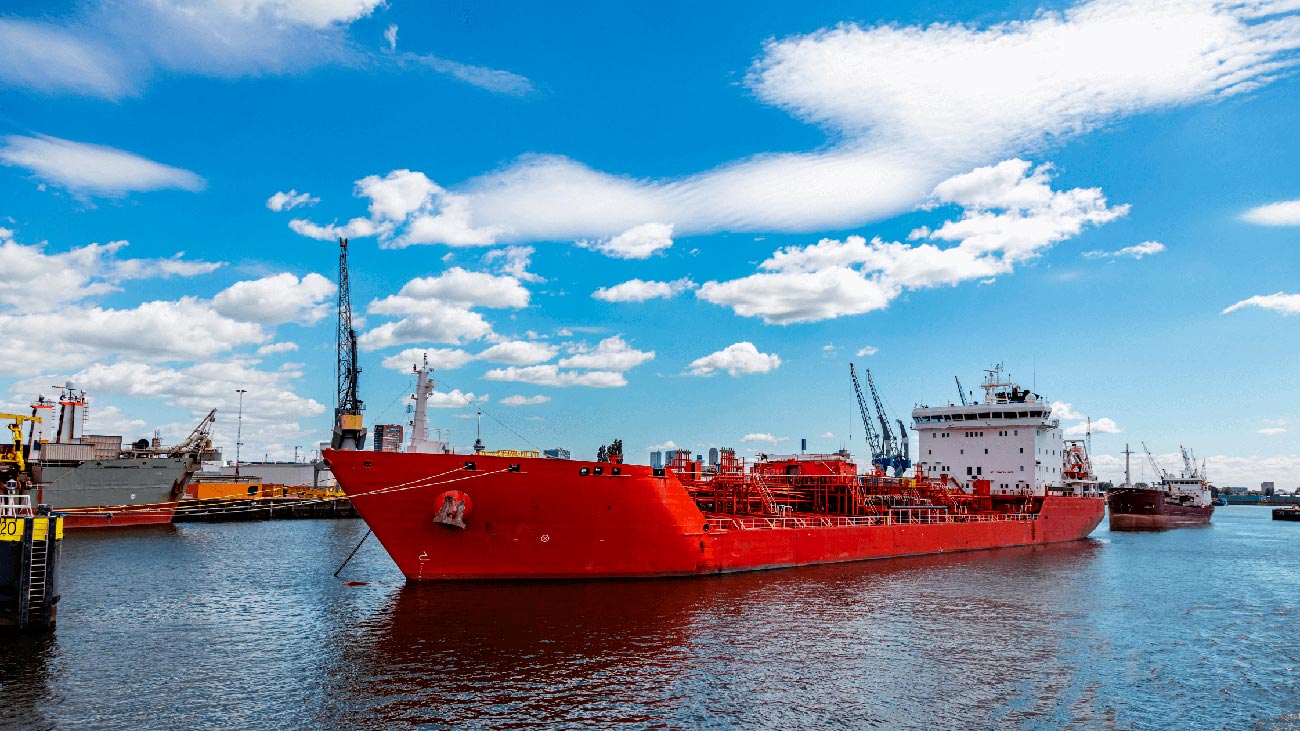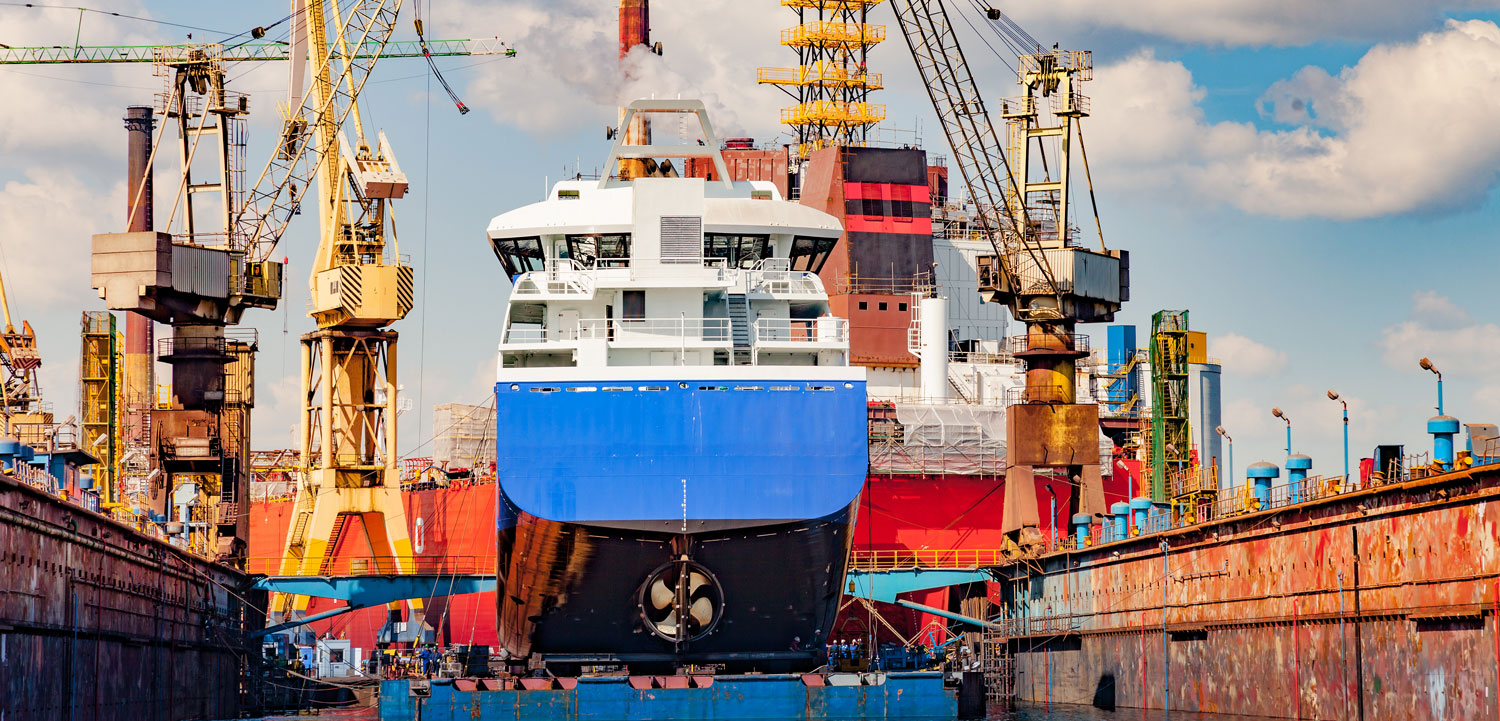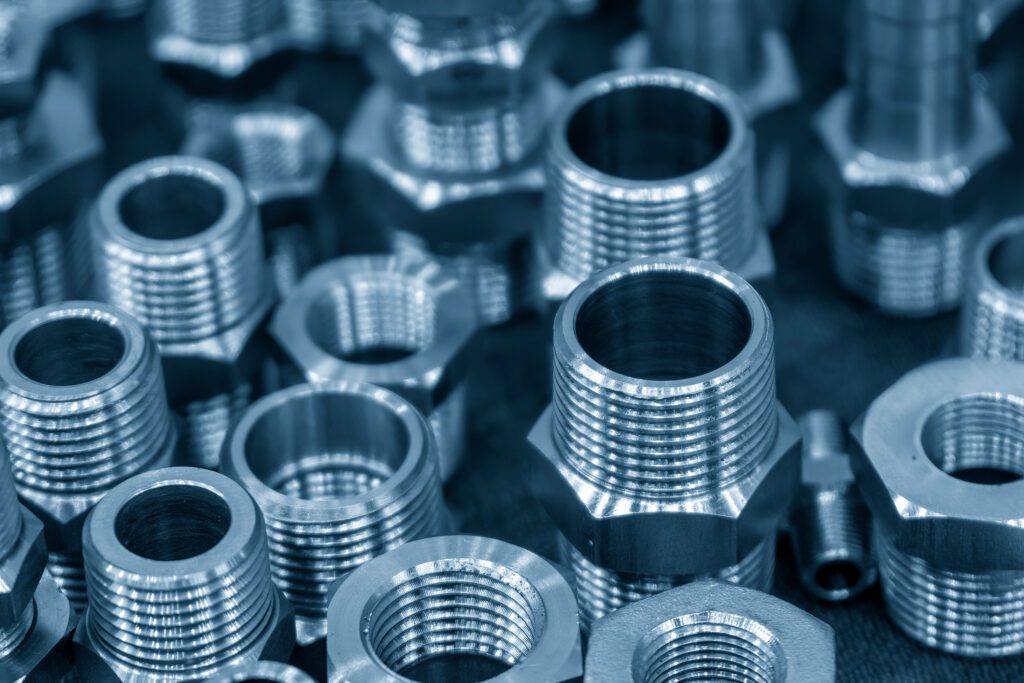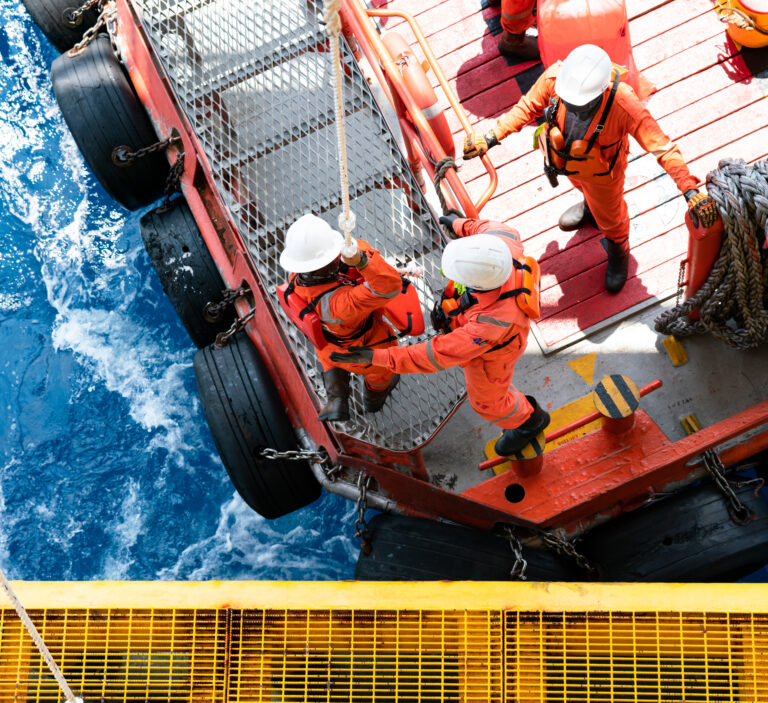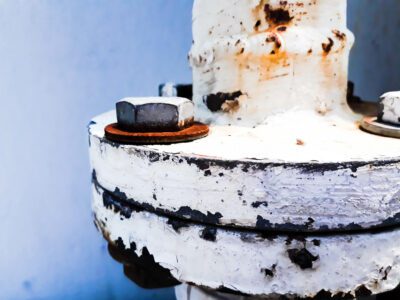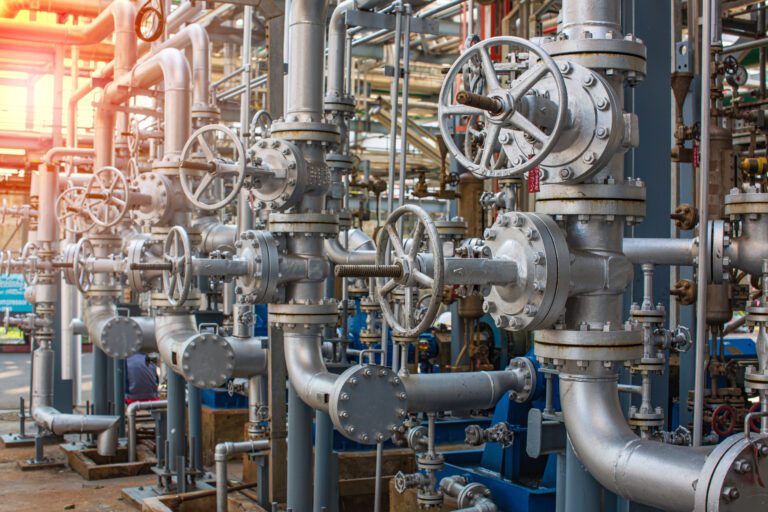
A leaking pipe. A cracked exhaust section. A worn pump casing.
The damage may be localized, but the disruption can affect the entire vessel.
Replacement materials take time. Access can be difficult. And welding isn’t always practical when you’re working around tight maintenance schedules, restricted spaces, or hot work requirements.
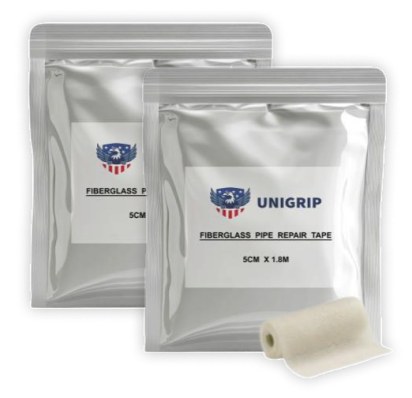
With Unigrip’s range of composite repair systems, specialized compounds, and protective coatings, marine maintenance teams have more ways to repair damage, restore worn surfaces, and extend equipment service life.
The key is knowing which solution fits the job.
Not every damaged component needs replacing. And not every damaged component can be repaired.
Severe wall loss, structural damage, or components that no longer meet operating or class requirements may require replacement.
But localized leaks, surface deterioration, and certain types of wear may be suitable for a repair that restores function without removing the entire component.
The goal isn’t simply to fix the problem. It’s to choose the right solution for the damage, operating conditions, and maintenance window.
That’s where Unigrip offers another option.
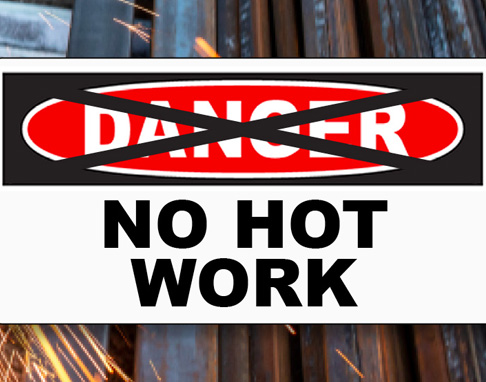
Welding or threading isn’t always practical, especially aboard an operating vessel.
Restricted access, nearby equipment, permit requirements, and safety considerations can turn a relatively small repair into a complicated project.
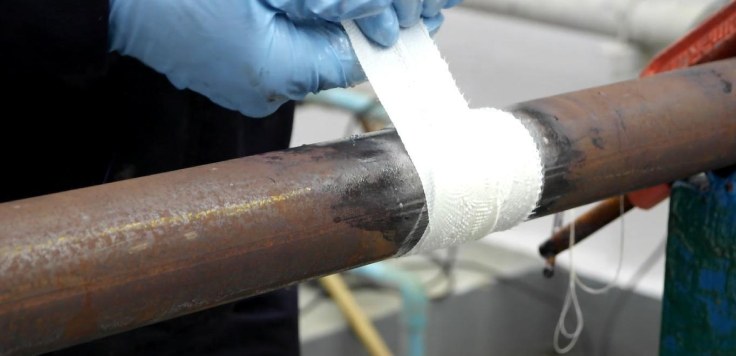
Unigrip’s cold-applied composite wraps, repair compounds and coatings provide alternatives for suitable applications without oils, bulky equipment, welding or flame.

Address qualifying damage without introducing hot work into the repair area.

Reduce the need for extensive removal or replacement work where an approved repair is appropriate.

Match the repair method to the component, environment, and available maintenance window.
And because marine maintenance rarely happens under ideal conditions, Unigrip also offers products developed for wet surfaces and underwater applications.
Of course, the right product still depends on the conditions. A repair suitable for a dry machinery space may not be appropriate for submerged service.
When selecting a pipe repair system, pressure ratings are critical. But they don’t tell the whole story.
Unigrip offers composite pipe repair kits with capabilities that vary by size and pressure:

All Unigrip products are Class Approved by ABS based on submitted testing and installation must follow manufacturer specifications. Surface preparation must be completed for proper adhesion.
The takeaway? Don’t choose a repair based on pressure rating alone. Choose it based on the complete application.
Not sure where to start? Send World Wide Metric photos of the damage and your operating details. Our team can help identify suitable Unigrip options and the requirements that need to be confirmed before application.
Stopping a leak solves today’s problem. Preventing the same damage from returning is the next challenge.
Corrosion, erosion, abrasion, and chemical exposure can continue wearing down equipment long after the initial repair.
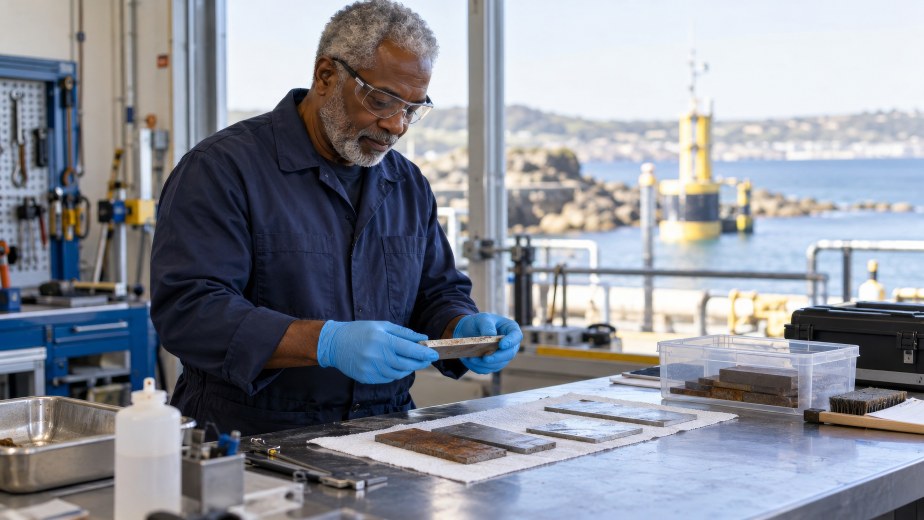
Unigrip offers solutions for both rebuilding damaged surfaces and protecting them against further deterioration.
Consider a pump casing experiencing repeated erosion. Rebuilding the worn surface may restore its function, but addressing the conditions contributing to that erosion is equally important.
A good repair addresses the damage. A smart maintenance strategy considers what caused it.
Not every repair material belongs near an exhaust system.
High temperatures create their own challenges, requiring materials specifically developed for the conditions.
Unigrip’s 501 Exhaust Repair Compound is designed for cracks and leaks in exhaust piping and bellows.
According to the supplied product information, the compound withstands temperatures up to 1,300°C (2,372°F) after curing, with application temperatures between 5°C and 40°C and an approximate curing time of 24 hours.
Those details matter. Application temperature, curing requirements, operating temperature, and the extent of the damage must all be evaluated before selecting a repair.
Because when it comes to exhaust systems, the right material makes all the difference.
Every repair starts with understanding the problem.
Corrosion, erosion, cracking, abrasion, heat, or general material deterioration?
Consider pressure, temperature, media, vibration, exposure, and remaining material condition.
Emergency stabilization? Service until the next maintenance window? Surface rebuilding? Long-term protection?
Confirm material compatibility, surface preparation, depressurization requirements, curing conditions, inspection procedures, and any necessary approvals.
A little planning before the repair can help prevent bigger problems afterward.
When a leak develops at sea, the last thing a crew wants to discover is that the right repair material isn’t aboard.
A planned onboard repair inventory gives maintenance teams options when unexpected damage occurs.
But stocking a repair kit isn’t about filling a locker with products that might never get used.
It’s about selecting materials that make sense for the vessel’s piping, exhaust systems, operating conditions, and maintenance needs.
That’s where World Wide Metric comes in.
Our team helps customers navigate Unigrip’s repair and protection solutions, review application requirements, and identify suitable products for their maintenance programs.
With Unigrip products in stock and shipping options to a vessel’s next port, we help make sourcing the right solution easier.
 Unigrip products in stock
 Shipping to a vessel’s next port
We can also help assemble practical onboard repair selections based on the equipment and systems you maintain.
Because having options is good. Having the right options ready when you need them is better.
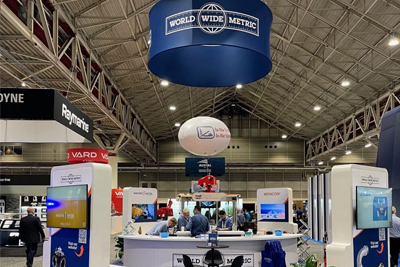
Want to see how Unigrip works?
See how the materials are prepared and applied, ask questions, and talk with our team about where repair and protective coatings could fit into your maintenance program.
Whether you’re dealing with a persistent leak, worn equipment, or planning ahead for your next maintenance window, we’re here to help you explore the options.
Don’t wait for the next failure to find your solution.